
A Primer On Commercial Access Control Systems

Malia Powers
5 Nov 2025


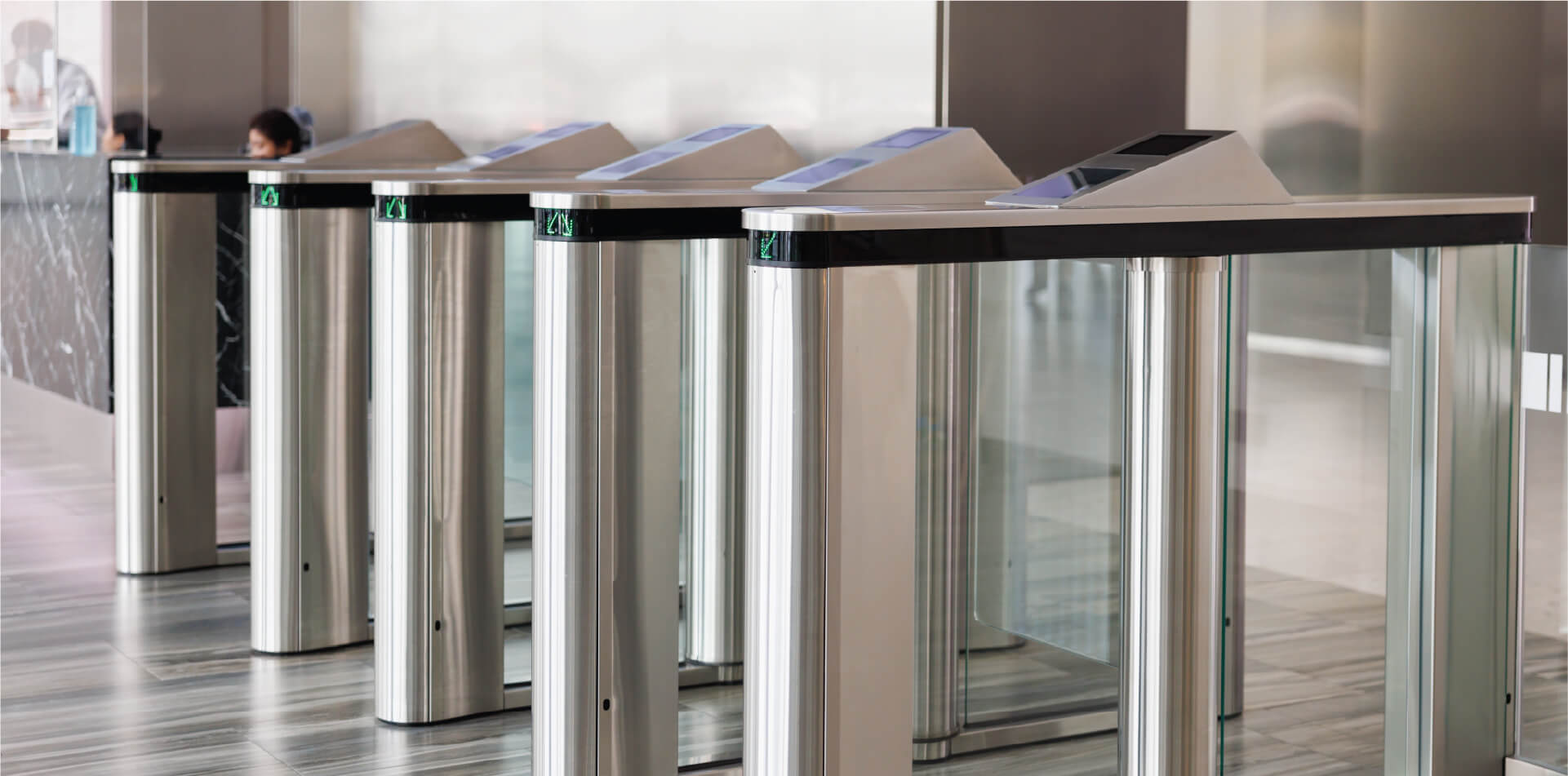
Access control systems are an essential part of modern commercial security systems, helping businesses manage who enters restricted areas, protect sensitive data, and ensure safety compliance across facilities.
As physical and digital threats evolve, these systems play a critical role in protecting people, property, and information while improving operational efficiency.
In this guide, we’ll explore how access control systems work, the types of access credentials and hardware used, and the growing role of user management, schedules, and audit trails in keeping organizations secure and accountable.
What Are Access Control Systems
An access control system is a combination of hardware and software that manages and records entry to secured spaces, preventing unauthorized physical access to restricted areas while maintaining a complete audit trail
Modern commercial access control systems can be standalone or fully networked. Many organizations now prefer cloud-managed platforms, which provide remote administration, mobile credentials, and multi-site visibility.
When integrated with video surveillance, alarm monitoring, and other life-safety systems, access control becomes part of a broader, unified security strategy.
Industry organizations such as the Security Industry Association (SIA) and ASIS International identify access control as a foundation of effective security management—linking physical safety, cybersecurity, and regulatory compliance across sectors.
Access Control Systems & Credentials: Key Cards, Fobs, Mobile & Biometrics
Credentials determine who can enter a space and under what conditions. Today’s access control systems support several credential types, each offering different levels of security, convenience, and scalability. Here are the most common:
- Key Cards and Fobs: The most common and cost-effective keycards and fobs use proximity or RFID technology. They are simple to issue, easy to deactivate, and well-suited to medium-to-large organizations with frequent staff turnover.
- Mobile Credentials: Smartphones can act as secure digital keys through Bluetooth, NFC, or QR code verification. These systems enable remote credential management—ideal for distributed teams or multi-site facilities.
- Biometric Access: Fingerprint, facial, and iris recognition systems verify identity through unique physical traits. They provide strong authentication but require robust data privacy policies and secure storage.
- Multi-Factor Authentication: Combining two or more methods—such as a key card plus PIN or biometric scan—offers the highest protection and helps satisfy strict compliance frameworks.
According to NIST’s Digital Identity Guidelines, using layered authentication methods and maintaining centralized credential management reduces unauthorized access and strengthens overall facility security.
Door Hardware & Electric Strikes / Maglocks & Access Control Systems
Behind every credentialed entry is the mechanical and electrical hardware that controls the door. These components determine how access is granted, logged, and secured.
- Electric Strikes: Installed in the door frame, electric strikes hold the latch or bolt in place until a valid credential releases it. They are reliable for most standard doors and integrate easily with existing door security systems.
- Maglocks (Magnetic Locks): These locks use magnetic force to secure doors and are common on glass or high-traffic entries. Maglocks disengage when a valid credential is detected or during an emergency system release.
- Fail-Safe vs. Fail-Secure: In a fail-safe setup, doors unlock during power loss for life-safety reasons; in fail-secure, they remain locked. The correct configuration depends on the application and fire code requirements.
All door hardware must meet NFPA 101 Life Safety Code and local building regulations to ensure both security and safe egress during emergencies.
User Management, Schedules & Audit Trails
Beyond hardware, the real power of access control systems lies in their management software.
Administrators can define user roles, entry schedules, and access zones to maintain precise control over who can enter, when, and where.
- User Management: Role-based access ensures employees only enter authorized areas, reducing both risk and liability.
- Schedules and Zones: Access can be restricted by time or location—for example, cleaning crews after hours or contractors limited to specific doors.
- Audit Trails: Every event—granted access, denied attempt, or forced entry—is logged and time-stamped. These reports are critical for incident investigations, HR documentation, and compliance audits.
- Cloud Dashboards: Web and mobile platforms allow real-time monitoring, system updates, and cross-site control from a single interface.
By combining physical entry controls with digital reporting, access control systems help organizations maintain accountability, meet industry regulations, and streamline daily operations.
Integrating Access Control with Broader Security Systems
Access control rarely operates in isolation. When integrated with video surveillance, alarm and intrusion monitoring, or fire protection systems, it creates a cohesive defense against both physical and operational threats.
A unified platform—sometimes called a single-pane-of-glass dashboard—allows security teams to monitor alarms, view video feeds, and manage user permissions in real time. This integration improves situational awareness and shortens response times to incidents.
According to the Security Industry Association (SIA), integrated systems not only improve safety but also support data-driven decision-making and resource efficiency across large facilities.
Why Businesses Choose A Total Solution for Access Control Systems in Tampa
For over three decades, A Total Solution, Inc. has provided complete fire and security protection for businesses. From access control system installation Tampa to complete fire protection services, ATS’s certified technicians help organizations design, integrate, and manage reliable commercial security systems that meet today’s safety and compliance standards.
Contact A Total Solution to learn more about implementing or upgrading your commercial access control systems today.

Related Blogs
Commercial Burglar and Intrusion Alarm Systems: What Florida Businesses Need to Know Before Installation
For Florida business owners, a commercial burglar alarm system installation is one of[…]

Charlie Ragghianti
2 Sep 2026
Nurse Call System Maintenance: Protecting Lives Through Proactive Care
When a resident in an assisted living facility reaches for that call button[…]
Charlie Ragghianti
17 Jun 2026

HIPAA-Compliant Video Surveillance for Nursing Homes & Assisted Living
Nursing homes and assisted living facilities face a difficult balancing act. On one[…]