
Commercial Burglar and Intrusion Alarm Systems: What Florida Businesses Need to Know Before Installation

Charlie Ragghianti
2 Sep 2026


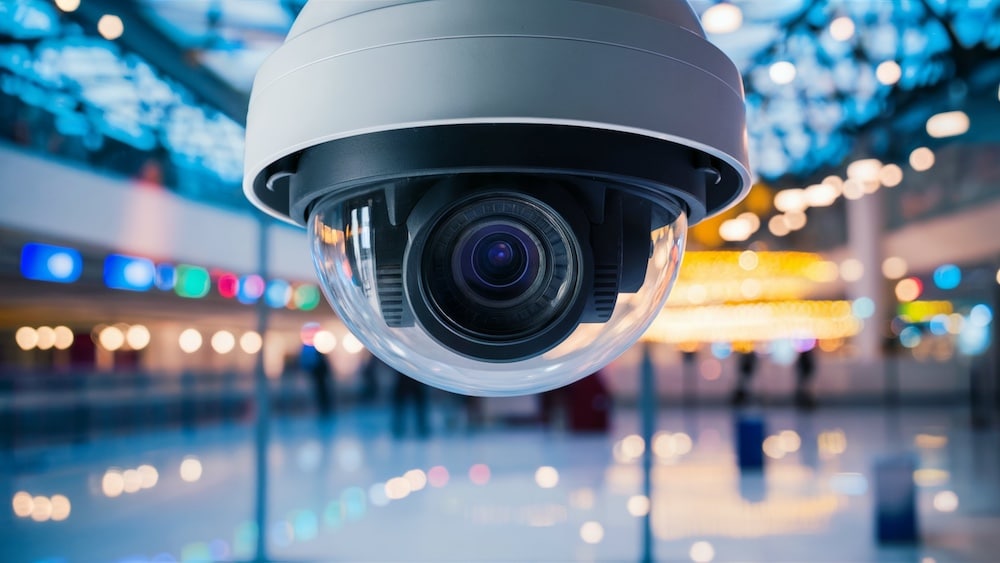
For Florida business owners, a commercial burglar alarm system installation is one of the most direct ways to protect inventory, equipment, and staff after hours. A modern intrusion detection system does far more than make noise. It detects unauthorized entry, helps verify the event, and connects your building to a monitoring center that can dispatch help when it matters. Whether you run a retail storefront, a warehouse, a medical office, or a restaurant in the Tampa Bay area, understanding how these systems work, who is legally allowed to install them, and what local rules apply will help you make a sound decision. This guide walks through the essentials from the perspective of a security integrator, not a legal advisor.
In this blog, we explore what goes into a commercial burglar alarm system, how layered intrusion detection and central station monitoring actually work, and the Florida licensing rules that determine who can legally install and service your equipment. We also cover the local permit and false alarm considerations that affect Tampa Bay businesses, what a professional installation should include, and how intrusion detection fits alongside access control and video. By the end, you will know what to look for in both a system and a provider before you sign a contract.
What a Commercial Burglar Alarm System Includes
Before comparing providers or quotes, it helps to know the parts that make up a working security system. Most commercial intrusion systems share the same core building blocks, regardless of brand.
- Control panel. The brain of the system. It processes signals from every sensor and decides when to trigger an alarm and transmit it.
- Initiating devices. Door and window contacts, passive infrared motion detectors, and glass-break sensors that detect entry or movement.
- Keypads and credentials. Used to arm and disarm the system, assign user codes, and control who can access it and when.
- Notification devices. Interior and exterior sirens and strobes that alert occupants and deter intruders.
- Communicator. Transmits alarm signals to a monitoring center over cellular, internet, or both for redundancy.
Wiring and power matter as much as the devices. NFPA 731, the Standard for the Installation of Electronic Premises Security Systems, calls for supervised wiring so that a fault or cut line is detected, along with reliable primary and secondary power supplies. That supervision is part of what separates a professional installation from a consumer kit.
How Intrusion Detection Works: Layered Protection
A well-designed system does not rely on a single line of defense. It uses layers, so that defeating one does not defeat the whole system.
- Perimeter detection. Contacts on doors and windows catch entry at the building envelope.
- Interior detection. Motion detectors cover hallways, open floors, and high-value areas in case a perimeter device is bypassed.
- Specialized detection. Glass-break and shock sensors protect storefronts, display cases, and vulnerable access points.
NFPA 731 addresses intrusion detection systems and requires that, when armed, the system monitor its own wiring for integrity. That means a single open, short, or ground fault should register at the control panel rather than silently disabling protection.
Monitoring: What Turns an Alarm Into a Response
An alarm that only sounds locally depends on someone nearby hearing it and choosing to act. A monitored system removes that gap. When a sensor trips, the panel transmits the signal to a central monitoring station staffed around the clock. Trained operators follow a verification process, then contact the business and dispatch law enforcement as needed.
Reputable monitoring centers are built to a recognized standard. UL 827, the Standard for Central-Station Alarm Services, sets requirements for the facilities, equipment, and operations of central stations, and NFPA 731 references it directly. When you evaluate a provider, ask whether monitoring is handled through a UL-listed central station and how alarm events are verified before police are dispatched. Video verification, where an operator can view live or recorded footage of the event, often results in a faster and higher-priority police response.
Florida Licensing: Who Can Legally Install and Monitor Your System
This is where Florida gets specific, and it is easy to overlook. Alarm system contracting is a licensed trade under Chapter 489, Part II of the Florida Statutes, regulated by the state Electrical Contractors Licensing Board. A certified Alarm System Contractor is authorized to design and install these systems, and the license category determines the scope of work.
The people doing the hands-on work are regulated too. Under Section 489.518, anyone who installs, services, or monitors an intrusion alarm for compensation is a burglar alarm system agent and must complete a minimum of 14 hours of board-approved training within 90 days of employment, pass a Florida Department of Law Enforcement fingerprint and background check, carry a state identification card while working, and complete continuing education every two years that includes false alarm prevention.
For a business owner, this is not red tape. It is your assurance that the work meets code and that the individuals entering your building and handling your security have been trained and vetted. Asking a prospective contractor for their license category and confirming their technicians are carded is a fair and reasonable question.
False Alarms, Permits, and Local Ordinances in Tampa Bay
False alarms are the most common source of friction between businesses and law enforcement, and the rules vary by jurisdiction across the region.
The City of Tampa does not require an alarm permit for business or residential systems, but it runs a False Alarm Reduction Program and publishes guidance on preventing avoidable dispatches. In unincorporated Hillsborough County, a security alarm ordinance addresses false alarms reported to the Sheriff’s Office and provides for fines. Because requirements differ across Tampa, Hillsborough County, Pinellas County, and neighboring municipalities, confirm the rules for your specific address before you assume none apply.
The good news is that most false alarms are preventable. Proper installation, staff training on arming and disarming, and a routine maintenance schedule are the most effective ways to keep unnecessary dispatches, and any associated fines, to a minimum.
What Professional Installation Looks Like
A quality installation is a process, not just a truck roll. When you work with an established integrator, expect these steps: Security assessment. A walkthrough of the property to identify entry points, blind spots, and the assets that need the most protection. System design. A plan matched to the building layout, occupancy, and risk profile, rather than a one-size-fits-all package.
- Installation to standard. Wiring, mounting, and configuration in line with NFPA 731 and manufacturer specifications.
- Testing and training. Verifying every device functions and walking your staff through daily operation.
- Maintenance and inspection. A schedule to keep the system reliable and reduce the chance of nuisance alarms over time.
Integrating Intrusion With Access Control and Video
Intrusion detection is strongest when it does not stand alone. On a unified platform, an alarm event can trigger cameras to record, pull up live video for a monitoring operator, and reference access control logs to show who was in the building and when. If you are considering upgrades, it is worth planning how your systems will work together rather than bolting them on later. See our related guide on HIPAA-compliant video surveillance for how video fits into a broader security posture.
For most commercial facilities, the right approach combines intrusion detection, access control, and video into a single, manageable system. You can learn more about our full range of commercial security systems and how they fit together.
Frequently Asked Questions
Do I need a permit for a commercial alarm system in Tampa Bay?
It depends on your location. The City of Tampa does not require an alarm permit for commercial or residential systems, while unincorporated Hillsborough County has an alarm ordinance that addresses false alarms and provides for fines. Always confirm the rules for your specific jurisdiction.
What is the difference between a local alarm and a monitored alarm?
A local alarm only sounds a siren on site and relies on someone nearby to respond. A monitored alarm transmits the signal to a central station that verifies the event and dispatches help around the clock, which is why monitoring is standard for most commercial buildings.
Is a licensed contractor required to install a burglar alarm in Florida?
Yes. Alarm system contracting is licensed under Chapter 489, Part II of the Florida Statutes, and the technicians who install, service, or monitor intrusion systems must meet training, background check, and identification requirements as burglar alarm system agents.
How can I reduce false alarms at my business?
Most false alarms come from user error or poor maintenance. Train everyone who arms and disarms the system, keep sensors clear and serviced, update your contact list, and schedule routine inspections. Professional installation and maintenance make a measurable difference.
Can I integrate my alarm with cameras and access control?
Yes. Modern systems are designed to work together so that an intrusion event can trigger video recording and reference access control records, giving you a clearer picture of what happened and a faster response.
Protect Your Business With the Right Team
A Total Solution has protected Tampa Bay businesses since 1988 with licensed, code-compliant security systems. If you are planning a commercial burglar alarm system installation or want to review the system you already have, contact our team for a security assessment tailored to your facility.

Related Blogs
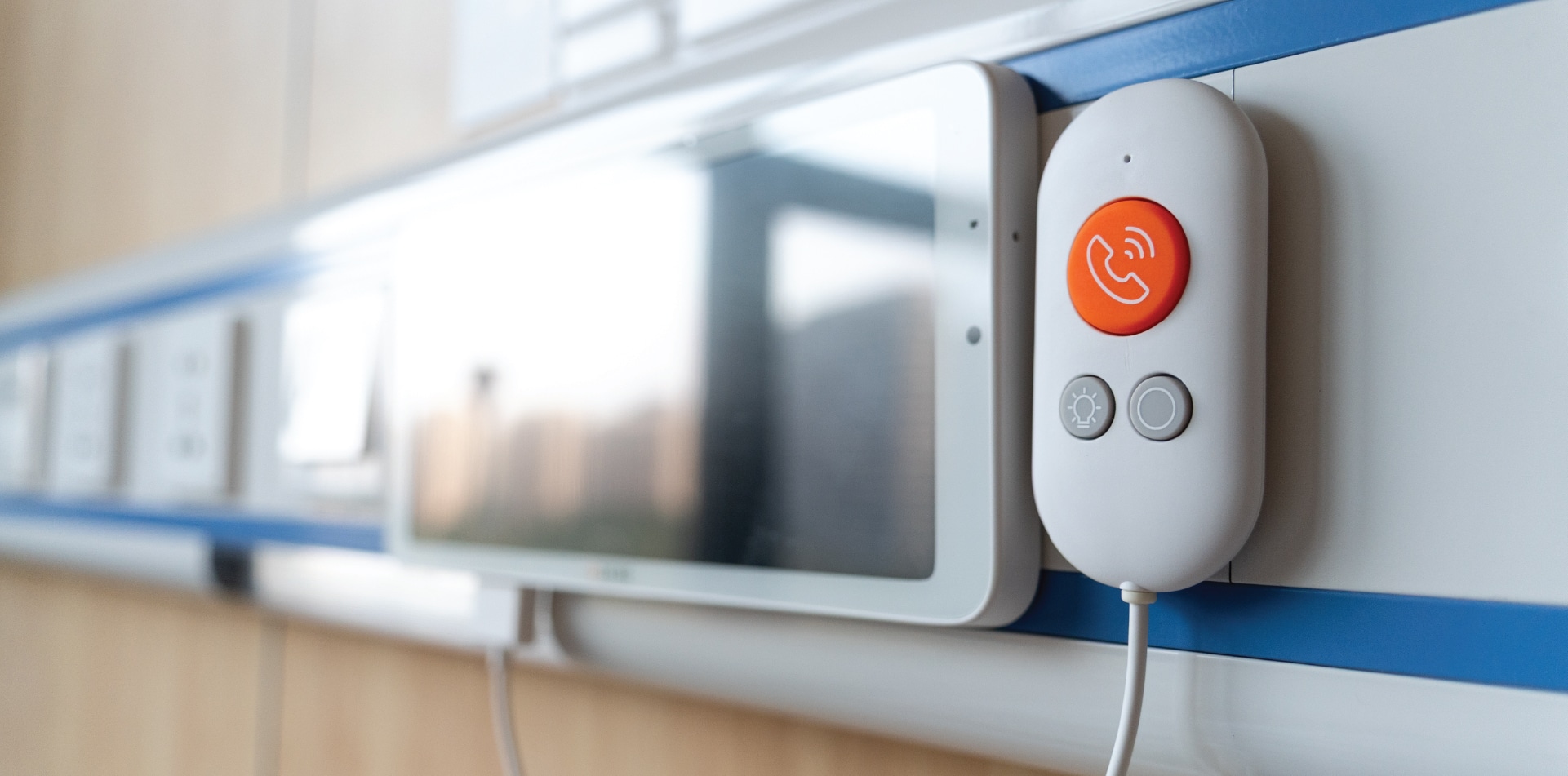
Nurse Call System Maintenance: Protecting Lives Through Proactive Care
When a resident in an assisted living facility reaches for that call button[…]
Charlie Ragghianti
17 Jun 2026

HIPAA-Compliant Video Surveillance for Nursing Homes & Assisted Living
Nursing homes and assisted living facilities face a difficult balancing act. On one[…]
Charlie Ragghianti
6 May 2026

Access Control Modernization for Commercial Properties: Mobile, Touchless and Visitor Management
Access control has changed rapidly over the last decade. What was once a[…]