
The Lifeline Overhead: Why Sprinkler Systems Matter in Healthcare Facilities

Malia Powers
22 Oct 2025


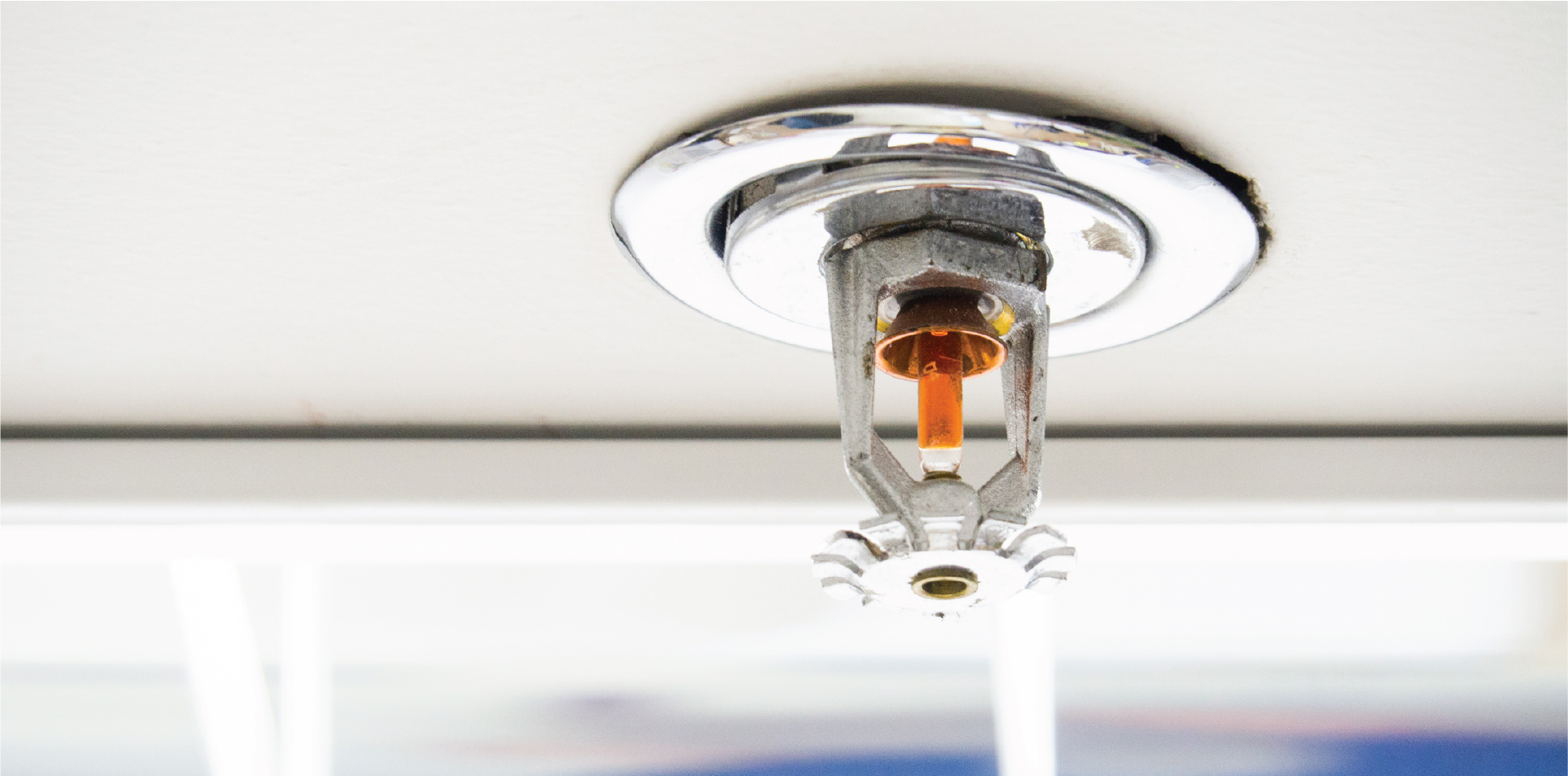
When you walk through a healthcare facility — whether it’s a hospice, an assisted living community, a rehab center, or a surgical suite — one of the most important safety measures is rarely noticed. Tucked above ceiling tiles or blending into hallways and patient rooms, fire sprinkler systems stand guard around the clock. They don’t seek attention, but they are always ready to act.
For administrators and facility managers, ensuring these systems are tested, inspected, and maintained is not just about compliance. It is about life safety. Vulnerable residents, limited evacuation capabilities, high-value medical equipment, and complex care environments make healthcare facilities uniquely dependent on reliable sprinkler systems.
In this article, we explore why sprinklers are essential in healthcare environments, the requirements that govern them, and the critical role of consistent testing. More than a regulatory checkbox, sprinklers are a lifeline overhead — and keeping them operational is a duty that cannot be deferred.
Fire Risk in Healthcare Settings
Unlike many other occupancies, healthcare facilities face challenges that make fire a particularly dangerous threat. Patients may be immobile or under sedation. Staff may be occupied with critical care duties, limiting response speed. Supplemental oxygen, pharmaceuticals, and medical equipment can intensify or accelerate a fire.
According to data from the National Fire Protection Association (NFPA), thousands of fires occur annually in healthcare settings across the U.S., with cooking, electrical failures, and equipment malfunctions among the top causes. While fire drills and alarms help with awareness, only an automatic suppression system like sprinklers can immediately intervene before a blaze grows out of control.
Sprinklers provide what healthcare facilities need most: time. Time for staff to respond, time for evacuation procedures to begin, and time to protect patients who cannot move on their own. Without that time, the margin for survival is drastically reduced.
Sprinkler Systems Compliance Is More Than a Checklist
Sprinkler systems in healthcare facilities are not optional. They are mandated by codes, regulations, and accreditation requirements that recognize their importance.
- NFPA 13 establishes the standards for design and installation of sprinkler systems.
- NFPA 25 governs inspection, testing, and maintenance to ensure long-term performance.
- Healthcare facilities subject to Centers for Medicare & Medicaid Services (CMS) must comply with the NFPA Life Safety Code, which requires functioning sprinkler systems.
- Accrediting organizations such as The Joint Commission also evaluate fire protection systems as part of facility certification.
In Florida and many other states, agencies such as the Agency for Health Care Administration (AHCA) enforce compliance for assisted living and healthcare facilities.
For administrators, the implications are clear: a poorly maintained sprinkler system is not just a safety hazard; it is a regulatory failure that can jeopardize funding, licensing, and accreditation.
Sprinkler Systems & The Cost of Neglect
When sprinklers fail, the results can be catastrophic. Fires that would have been contained can spread quickly through patient rooms or common areas. For healthcare facilities, the consequences go beyond property damage:
- Loss of Life and Injury – The most devastating outcome is harm to patients and staff.
- Legal Liability – Failure to maintain sprinklers can expose facilities to lawsuits and penalties.
- Operational Downtime – A single fire can displace patients, halt services, and create long-term recovery challenges.
- Reputation Damage – Communities place trust in healthcare providers. A preventable tragedy can erode that trust permanently.
The truth is, neglect is rarely intentional. Most lapses come from delayed inspections, deferred maintenance, or assumptions that sprinklers “don’t need attention.” But the cost of oversight is far greater than the investment in regular testing and compliance.
How Sprinkler Systems Protect Different Healthcare Facilities
Not all healthcare environments are the same. Each presents unique fire safety challenges — and underscores why sprinklers must be tailored and maintained to meet specific needs.
Hospice Facilities
Hospice care focuses on comfort and dignity, but safety cannot be overlooked. Patients are often immobile or receiving oxygen, making evacuation difficult. Sprinklers provide critical suppression that gives staff the chance to protect lives without immediate relocation.
Assisted Living and Memory Care
Residents may have limited mobility or cognitive impairments. Staff ratios are often lower than in hospitals, meaning first responders to a fire may not arrive quickly enough.
Sprinklers are essential to contain fire until evacuation support can be mobilized.
Surgery and Ambulatory Centers
Surgical suites rely on sterile environments and uninterrupted power for life-supporting equipment. A fire here can be catastrophic, not just to patients but to facility infrastructure. Sprinklers minimize downtime by stopping fire spread before it compromises critical systems.
Rehabilitation and Skilled Nursing
These facilities often house high patient densities. With rehabilitation equipment and therapy spaces, fire risks vary, but the consequences are equally severe. A sprinkler system ensures quick suppression in multi-use environments.
Best Practices for Sprinkler Testing and Maintenance
Sprinklers are only as reliable as the testing and maintenance behind them. NFPA 25 outlines the standards for inspection and testing, but administrators must also commit to consistent execution.
Key best practices include:
- Monthly Visual Inspections – Checking valves, gauges, and accessible components.
- Quarterly Testing – Inspecting alarm devices, control valves, and mechanical functions.
- Annual Full System Tests – Comprehensive evaluation of flow, pressure, and response capabilities.
- Five-Year Internal Inspections – Checking for corrosion, obstructions, or degradation in piping.
Equally important is documentation. Accurate records of testing and maintenance not only demonstrate compliance but also protect facilities in the event of an audit or legal claim.
Integration with Other Life Safety Systems
Sprinklers do not act alone. Their effectiveness increases when integrated with a comprehensive fire protection strategy.
- Fire Alarms Systems notify staff and first responders.
- Nurse Call Systems allow staff to coordinate patient evacuation.
- Access Control Systems ensure secure but efficient movement during emergencies.
- Video Surveillance supports incident verification and post-event review.
By coordinating these systems, facilities create a layered safety net where sprinklers are the first but not the only line of defense.
Looking Ahead: The Future of Sprinkler Systems
Like many building systems, fire sprinkler systems are evolving with technology. Healthcare facilities can expect to see advancements that increase reliability and efficiency:
- Quick Response Sprinklers designed for faster activation in sensitive environments.
- Smart Monitoring Systems that provide real-time data on pressure, flow, and valve status.
- Predictive Maintenance Tools that use analytics to detect wear or corrosion before failure.
- Environmentally Friendly Systems that minimize water use and reduce property damage.
As facilities modernize, sprinklers remain central to a proactive approach — not just responding to emergencies but anticipating and preventing them.
Why Sprinkler Testing Cannot Wait
Administrators often juggle competing priorities: budgets, staffing, patient care, and compliance. It can be tempting to delay a test or push back maintenance. But sprinklers are not a system that can be “caught up later.”
A single lapse could mean a system that fails when it is most needed. Unlike other infrastructure, sprinklers have no backup. They either work — or they don’t.
Sprinkler Systems Conclusion: The Lifeline Overhead
Sprinklers are more than pipes and valves. They are the silent guardians of healthcare facilities, protecting patients who cannot protect themselves and buying time when seconds matter most.
For hospices, assisted living facilities, surgery centers, and rehabilitation communities, keeping sprinklers operational is not a choice. It is a responsibility that defines safety, compliance, and trust.
Through consistent testing, maintenance, and integration with other life safety systems, healthcare facilities can ensure that when the unthinkable happens, sprinklers are ready to do what they were designed to do: save lives.
Related Blogs

How to Choose a Fire Alarm Company for Your Business
Hiring a fire alarm company is a decision you’ll live with for years.[…]

Charlie Ragghianti
7 Oct 2026
Back-to-School Fire Protection: Treating August as a Life Safety Checkpoint
Every August, school buildings go from near-empty to full occupancy in a matter[…]

Alicia Shepard
12 Aug 2026
What Is Central Station Monitoring — And Is Your Building Actually Getting It?
When your fire alarm goes off at 2 a.m. on a Sunday, one[…]