
Back-to-School Fire Protection: Treating August as a Life Safety Checkpoint

Alicia Shepard
12 Aug 2026


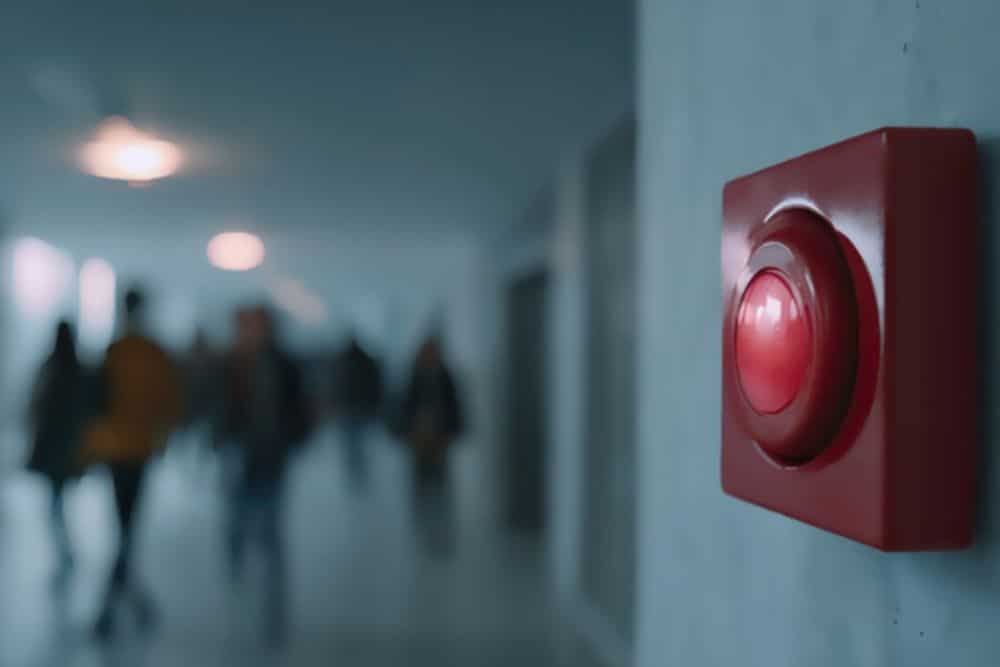
Every August, school buildings go from near-empty to full occupancy in a matter of days. Classrooms, cafeterias, gyms, labs, and athletic buildings all come back into daily use at once, and for the people who run those campuses, it is one of the busiest stretches of the year. It is also the right moment to ask a question that is easy to postpone: are the building’s fire protection systems ready for everyone about to depend on them?
Fire protection in a school is not a box you check at inspection time. It protects students, staff, and first responders, and it only works if the systems meant to detect, alert, and suppress a fire have been inspected, maintained, and documented. In this blog we explore why back-to-school season is the natural time to treat fire protection as a life safety checkpoint, what to review before students return, the problems that tend to surface after a busy summer, and how to tell whether your campus is genuinely ready.
When students and staff return to campus, every fire protection system should be treated as mission-critical. A school should never have to wonder whether its sprinkler system, alarms, inspection records, or emergency response plan are ready. In our world, your emergency is our emergency, and preparation is what makes response possible. – Alicia Shepherd, Fire Sprinkler Manager, A Total Solution, Inc.
August Is a Life Safety Checkpoint
Schools already treat August as a reset for transportation, staffing, security, and cleaning. Fire protection belongs on that same list, because every building on campus plays a part in keeping the people inside it safe.
An educational campus is a complicated commercial environment. One school can hold classrooms, a commercial kitchen, science labs, mechanical rooms, a gym, an auditorium, portable classrooms, and spaces the community uses at night and on weekends. Each of those areas carries its own fire and life safety demands. That is why fire protection is a year-round responsibility, and why back-to-school month works so well as the annual prompt to inspect, correct, and document before the halls fill up.
Why Summer Is Hard on Fire Protection Systems
Part of what makes August the right checkpoint is everything that happened over the summer.
Quiet campuses are busy campuses in disguise. Summer is when schools schedule renovations, HVAC work, flooring, painting, classroom moves, and deep cleaning, and all of that activity can quietly compromise life safety systems. A sprinkler riser room becomes a storage closet. A contractor’s work leaves an alarm device disconnected. Decorations go up too close to a sprinkler head. Supplies pile into a mechanical room that was never meant to hold them. In July none of it matters. By the second week of August, with the building full, every one of those becomes a live problem. Back-to-school inspections exist to catch them first.
What Fire Protection Inspections Do for a School System
A thorough inspection cycle does more than satisfy a requirement. It protects people, keeps the campus running, and gives leaders something concrete to stand on.
Life safety comes first. Schools serve a wide mix of people every day, and some of them, young children, students with disabilities, anyone with limited mobility, need extra help in an emergency. Detection, alarm, suppression, and a clear evacuation path are what give staff a fighting chance to get everyone out. Everything else on this list is secondary to that.
Compliance and documentation go together. Public and private schools answer to local fire marshals, state standards, insurers, and the Authority Having Jurisdiction. In Florida, the State Fire Marshal publishes school fire safety inspection procedures and expects current reports, correction plans, and supporting records. The inspection matters, but so does the paperwork behind it. When reports are current and deficiencies are closed out, a fire marshal visit or an insurance review stops being something to dread.
Catching problems early beats emergency repairs. The worst time to find a failed valve, a fire pump problem, or an unresolved alarm trouble signal is in October with a full building. A mid-year repair pulls in administrators, custodial staff, and sometimes the fire department, and it interrupts learning. Finding the same issue in August means scheduling the fix on your terms, during a break or before occupancy, instead of reacting to it.
Working systems keep the campus open. Schools are community hubs that host athletics, after-school programs, performances, elections, and weekend events. An impaired system or an open deficiency can ripple well past a single classroom and affect families, staff, and the wider community. Inspection keeps the building available for all of it.
Clear findings improve budgeting. A good inspection report does not just list what failed. It tells a facility director what needs attention now, what to watch, and what to plan for. For older campuses and multi-building sites with aging fire pumps, panels, and underground lines, that clarity is what turns surprise capital expenses into planned ones.
What to Review Before or During August
Some systems deserve specific attention before a campus returns to full use. Here is where to focus.
Fire Sprinkler Systems
Fire sprinkler systems are the backbone of school fire protection, covering classrooms, kitchens, gyms, mechanical rooms, and storage areas. Confirm that inspection, testing, and maintenance are current and that known deficiencies have been addressed. The components worth checking include control valves, sprinkler heads, gauges, fire department connections, flow and tamper switches, main drains, backflow assemblies, fire pumps, and standpipes. Water-based systems only stay reliable with consistent inspection and testing under NFPA 25.
Fire Alarm Systems
Early notification is what makes evacuation possible, so fire alarm readiness is non-negotiable. Before students return, confirm that inspections are current, trouble signals are resolved, initiating devices and notification appliances work, pull stations are accessible, and monitoring communication is active. Alarm problems escalate fast, and false alarms or communication failures disrupt a school day quickly.
Fire Alarm Monitoring
Monitoring is the link between the alarm and emergency response, so it has to be current and correct. Confirm the account details, emergency contact list, after-hours contacts, and signal transmission, especially if staff or leadership changed over the summer. An outdated contact list is a common and entirely avoidable failure point.
Backflow Prevention
Backflow devices protect the water supply and often tie into the sprinkler infrastructure. Verify that testing is current and documented. It is easy to overlook during a busy August, and just as easy to keep on schedule.
Fire Pumps
Larger campuses often depend on a fire pump to maintain water pressure for the sprinkler system. Pumps need specialized testing, because a pump that fails to start undercuts the entire system during a fire. Confirm testing is current before the building fills.
Fire Extinguishers
Extinguishers should be charged, mounted properly, matched to the hazard, and easy to reach. Pay closest attention to kitchens, labs, shops, and mechanical rooms. Blocked, missing, or expired units are among the most common and most fixable findings on any campus.
Emergency and Exit Lighting
Exit signs and emergency lighting guide people out when the power drops. After a summer of cleaning, furniture moves, and construction, confirm the signs are lit, the emergency lights work, and the exit paths are clear.
Kitchen Hood Suppression
A school kitchen turns out hundreds or thousands of meals a week, which makes hood suppression inspection a real safety item, not a formality. Confirm it is inspected and serviced on schedule before the cafeteria ramps back up.
Common Fire Protection Problems on School Campuses
Most of these are not the result of neglect. They happen because schools are active, constantly changing places. These are the ones inspections catch most often:
- Blocked or cluttered sprinkler riser rooms
- Stored materials stacked too close to sprinkler heads
- Painted or physically damaged sprinkler heads
- Obstructed fire alarm pull stations
- Unresolved trouble signals on the alarm panel
- Extinguishers blocked by furniture or missing inspection tags
- Fire doors propped open
- Exit signs unlit or emergency lights not working
- Blocked exits and corridors
- Improper storage in mechanical rooms
- Construction-related system impairments left uncorrected
- Monitoring contact lists that are out of date
Why Schools Need a Responsive Fire Protection Partner
A campus cannot shut a hallway for a day or wait weeks on a repair, which is why the right partner matters as much as the right systems.
Schools need a provider that understands occupied buildings, tight schedules, and documentation, and that can work around students and staff without disrupting the day. That means clear inspection reports, plain-English explanations of deficiencies, responsive scheduling, and technicians who know how to work safely on a campus. A Total Solution builds its school work around exactly that: responsive scheduling and clean documentation, so a deficiency gets handled during a planned break instead of shutting a wing mid-morning with the building full.
Back-to-School Fire Protection Checklist
Administrators, facility directors, and operations teams can use this as a starting point before the year begins. It does not replace a professional inspection, but it will sharpen the conversation with your provider.
- Are fire sprinkler inspections current?
- Are fire alarm inspections current?
- Are fire alarm monitoring signals active and properly routed?
- Are emergency contact lists updated?
- Are known deficiencies corrected or scheduled for repair?
- Are inspection reports organized and accessible?
- Are fire extinguishers inspected, visible, and accessible?
- Are emergency lights and exit signs functioning?
- Are sprinkler riser rooms clear and accessible?
- Are fire department connections visible and unobstructed?
- Are control valves accessible?
- Are mechanical rooms free of improper storage?
- Are evacuation routes clear?
- Have classroom decorations been reviewed for fire safety concerns?
- Are kitchen hood suppression systems inspected?
- Are fire pump tests current, if applicable?
- Are backflow tests current?
- Has summer construction affected any fire protection systems?
- Are impairment procedures documented?
- Is there an emergency fire protection repair provider in place?
Start the School Year Ready, Not Hoping
Treating fire protection as a yearly checkpoint changes the outcome. A campus that reaches August with current inspections, closed deficiencies, and organized records starts the year ready instead of hoping. That readiness is the real product of the work, and August is the moment to lock it in.
Why Work With A Total Solution
A Total Solution is a full-service fire and life safety company serving commercial organizations across Tampa Bay since 1988, including schools, healthcare and assisted living facilities, houses of worship, property managers, and institutional campuses. For educational facilities, A Total Solution provides:
- Fire sprinkler inspections and repairs
- Fire alarm inspections
- Fire alarm monitoring
- Backflow testing
- Fire pump testing
- Kitchen hood suppression inspection
- Commercial fire protection service
- Deficiency correction and emergency repair
- Documentation and preventive maintenance planning
The approach is built on preparation, responsiveness, and trust. As Alicia Shepherd puts it, your emergency is our emergency.
Schedule Your Campus Inspection Before the Year Ramps Up
If your school, district, charter, academy, or daycare needs fire protection inspections, monitoring review, deficiency correction, or emergency repair, A Total Solution is ready to help. Contact A Total Solution to schedule inspection, testing, maintenance, or repair for your educational facility before the campus is in full swing.
FAQ: School Fire Protection Inspections
Why is August a good time for school fire protection inspections?
Because students and staff are returning, and summer work, renovations, classroom setup, and facility changes may have affected the systems. An August inspection surfaces problems before the building is back to full daily use.
What fire protection systems should schools inspect?
Fire sprinklers, fire alarms, alarm monitoring, extinguishers, emergency and exit lighting, kitchen hood suppression, backflow devices, fire pumps, and standpipes, along with the documentation for each. The exact scope depends on the building and local requirements.
What does a school fire sprinkler inspection include?
A review of control valves, gauges, sprinkler heads, piping, fire department connections, flow and tamper switches, main drains, backflow assemblies, and, where present, fire pumps and standpipes. The specific scope follows the system type and applicable standards such as NFPA 25.
Why does fire alarm inspection matter for schools?
Early notification drives evacuation, and in a school that means getting students, staff, and visitors, some of whom need extra assistance, moving quickly. Inspection confirms devices function and flags anything that needs correction.
What are common fire protection deficiencies in schools?
Blocked riser rooms, obstructed pull stations, blocked or untagged extinguishers, unlit exit signs, failed emergency lights, unresolved alarm trouble signals, and uncorrected findings from the previous inspection.
How do inspections help districts manage cost?
They turn emergencies into planned work. Catching issues early lets schools budget, schedule repairs during breaks, and avoid the premium and disruption of a mid-year emergency call.
Why is documentation so important?
It proves inspection, testing, and repairs were done, which supports AHJ review, insurance conversations, district reporting, and long-term planning.
Can inspections work around the school day?
Yes. A responsive provider coordinates with facility teams and uses early mornings, after-hours, or breaks when the scope allows.
What should a school do when a deficiency is found?
Document it, understand the urgency, schedule the correction, and follow proper impairment procedures if a system is offline. Communicate with both the internal team and the provider.
Recent Posts


Related Blogs

What Is Central Station Monitoring — And Is Your Building Actually Getting It?
When your fire alarm goes off at 2 a.m. on a Sunday, one[…]

Charlie Ragghianti
1 Jul 2026
Annual Fire Alarm Inspections: What Every Healthcare Facility Must Know to Stay Compliant
In healthcare environments where vulnerable populations depend on staff for their safety, fire[…]
Charlie Ragghianti
3 Jun 2026
Fire Alarm Monitoring, Testing, and Inspection: What Florida Businesses Need to Know
Installing a commercial fire alarm system is the starting point, not the finish[…]