
Annual Fire Alarm Inspections: What Every Healthcare Facility Must Know to Stay Compliant

Charlie Ragghianti
3 Jun 2026


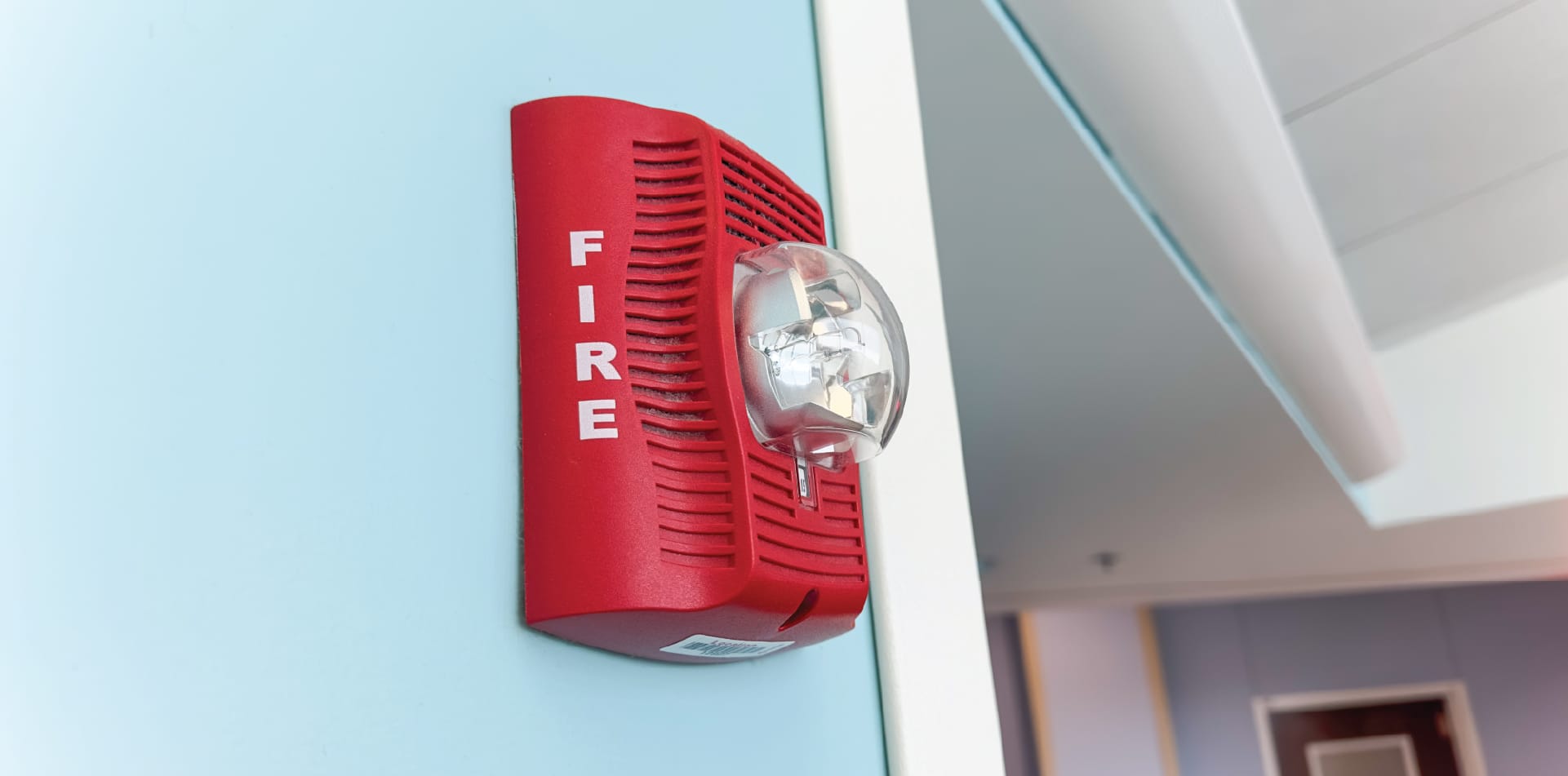
In healthcare environments where vulnerable populations depend on staff for their safety, fire protection is not simply a regulatory checkbox—it is a matter of life and death. The residents of nursing homes, the patients recovering in surgery centers, and the seniors living in assisted living facilities often cannot evacuate quickly or independently when an emergency occurs. Their safety depends on fire alarm systems that detect danger immediately, alert staff reliably, and function flawlessly when every second counts.
Regulatory agencies understand these stakes, which is why healthcare facilities face stringent requirements for fire alarm system inspection and testing. Annual inspections are not optional recommendations—they are mandatory requirements that carry serious consequences when ignored. Facilities that fall out of compliance risk citations, fines, and in severe cases, the suspension of their operating licenses. More importantly, they risk the lives of the people they have committed to protect.
At A Total Solution, we have provided fire alarm system installation and inspection services to healthcare facilities throughout Florida since 1988. Our decades of experience working with nursing homes, adult living facilities, surgery centers, rehabilitation centers, and retirement communities have given us deep insight into the compliance requirements these facilities must meet and the practical challenges they face in maintaining compliant fire protection systems.
Understanding Fire Alarm Inspection Requirements for Healthcare Facilities
Healthcare facilities in Florida operate under multiple layers of regulatory oversight when it comes to fire safety. Understanding these requirements is essential for administrators and facility managers who bear responsibility for maintaining compliance and protecting the people in their care.
NFPA 72: The Foundation of Fire Alarm Standards
The National Fire Protection Association’s NFPA 72 National Fire Alarm and Signaling Code establishes the minimum requirements for fire alarm system inspection, testing, and maintenance throughout the United States. This comprehensive code specifies what must be tested, how frequently testing must occur, and what documentation facilities must maintain to demonstrate compliance.
Under NFPA 72, fire alarm systems require visual inspections, functional testing, and sensitivity testing at various intervals. Some components require weekly or monthly checks, while others are tested quarterly, semi-annually, or annually. The annual inspection represents the most comprehensive review of the system, encompassing all components and functions to verify that the entire fire alarm infrastructure operates as designed.
NFPA 101: Life Safety Code Requirements
The NFPA 101 Life Safety Code addresses fire protection requirements specific to different occupancy types, including healthcare facilities. This code recognizes that hospitals, nursing homes, and ambulatory care facilities present unique challenges due to the populations they serve. Patients and residents may be bedridden, cognitively impaired, connected to medical equipment, or otherwise unable to respond to emergencies without assistance.
The Life Safety Code requires healthcare facilities to maintain fire alarm systems that provide early warning, allow for defend-in-place strategies where appropriate, and support the safe evacuation of occupants when necessary. Compliance with these requirements is verified through regular inspections and is a focus of state survey activities.
Florida State Requirements and AHCA Oversight
In Florida, the Agency for Health Care Administration (AHCA) oversees the licensure and regulation of healthcare facilities including nursing homes, assisted living facilities, and ambulatory surgery centers. AHCA surveyors conduct regular inspections that include review of fire safety systems and documentation. Facilities must demonstrate not only that their fire alarm systems function properly but also that they have maintained consistent compliance with inspection schedules and addressed any deficiencies promptly.
The Florida Fire Prevention Code adopts NFPA standards and adds state-specific requirements that facilities must follow. Local fire marshals may conduct additional inspections and can issue citations for violations. Healthcare facilities thus face oversight from multiple agencies, all of which expect to see evidence of proper fire alarm system maintenance and inspection.
What a Comprehensive Annual Fire Alarm Inspection Includes
A proper annual fire alarm inspection is far more than a cursory walk-through or a simple test of a few devices. Qualified inspectors systematically evaluate every component of the fire alarm system to verify proper operation and identify any issues that could compromise performance during an actual emergency.
Control Panel Inspection and Testing
The fire alarm control panel serves as the brain of the entire system, receiving signals from detection devices, processing information, activating notification appliances, and communicating with monitoring services. Annual inspection of the control panel includes verification of all primary and backup power supplies, testing of battery capacity and charging systems, review of programming and zone configurations, verification of communication pathways to monitoring stations, and testing of all trouble and supervisory signals.
Inspectors also review the panel’s event log to identify any patterns of trouble signals or device activations that might indicate developing problems. This historical data can reveal issues such as detectors that activate frequently due to environmental conditions or zones that experience intermittent communication problems.
Smoke Detector Testing and Sensitivity Verification
Smoke detectors are the primary means of early fire detection in most healthcare facilities. Annual testing verifies that each detector responds appropriately to simulated smoke conditions and transmits alarm signals to the control panel correctly. Beyond simple functional testing, NFPA 72 requires sensitivity testing to ensure detectors have not drifted outside their listed sensitivity range due to dust accumulation, environmental factors, or component aging.
Detectors that have become too sensitive may cause nuisance alarms that lead staff to disable or ignore the system. Detectors that have lost sensitivity may fail to detect actual fires quickly enough to allow safe evacuation. Either condition puts lives at risk and must be identified and corrected through regular testing.
Heat Detector and Specialty Device Testing
Heat detectors, duct detectors, beam detectors, and other specialty devices each require specific testing procedures appropriate to their technology and application. Annual inspections include functional testing of all these devices according to manufacturer specifications and NFPA requirements. In healthcare facilities, these devices often protect critical areas such as mechanical rooms, kitchens, laundry facilities, and storage areas where smoke detectors may not be appropriate.
Manual Pull Station Testing
Manual fire alarm pull stations provide a means for staff members who discover a fire to immediately activate the alarm system. Annual testing verifies that each pull station operates mechanically, transmits the correct signal to the control panel, and can be reset properly after activation. Inspectors also verify that pull stations are properly located, clearly visible, unobstructed, and appropriately labeled.
Notification Appliance Testing
When the fire alarm activates, horns, strobes, speakers, and other notification appliances must alert all building occupants effectively. Annual testing verifies that all notification appliances operate when commanded, produce adequate sound levels or visible signals throughout their coverage areas, and meet the specific requirements for healthcare occupancies where audible signals may need to be supplemented with visual notification for hearing-impaired residents.
In healthcare facilities where a defend-in-place strategy is used, notification systems may include voice evacuation capabilities that allow staff to provide specific instructions rather than simply sounding a general alarm. These systems require additional testing to verify voice clarity, message accuracy, and proper zone control.
Monitoring and Communication Testing
Fire alarm systems in healthcare facilities typically transmit signals to a central monitoring station that can dispatch emergency responders when alarms activate. Annual inspection includes testing of all communication pathways—whether telephone lines, cellular connections, or internet-based monitoring—to verify that signals reach the monitoring station reliably. Inspectors coordinate with monitoring companies to confirm that test signals are received and that account information is current and accurate.
The Consequences of Non-Compliance
Healthcare facilities that fail to maintain compliant fire alarm systems face consequences that extend far beyond simple inconvenience. Understanding these potential outcomes helps administrators prioritize fire safety compliance appropriately within their overall operational responsibilities.
Regulatory Citations and Fines
State surveyors who discover fire alarm deficiencies during inspections issue citations that become part of the facility’s permanent regulatory record. These citations may require immediate corrective action, plans of correction submitted within specified timeframes, and follow-up inspections to verify that problems have been addressed. Repeated violations or serious deficiencies can result in substantial fines that strain facility budgets and divert resources from resident care.
License Jeopardy
In severe cases, fire safety violations can put a facility’s operating license at risk. Regulators have the authority to impose admission holds that prevent new residents from entering the facility, conditional licenses that require enhanced oversight and reporting, or in extreme circumstances, license revocation that forces the facility to close. The threat of license action creates enormous pressure on facilities and can damage relationships with residents, families, and referral sources even when licenses are ultimately preserved.
Insurance Implications
Insurance carriers expect healthcare facilities to maintain compliant fire protection systems as a condition of coverage. Facilities that cannot demonstrate proper fire alarm maintenance may face increased premiums, coverage limitations, or policy cancellation. In the event of a fire, insurers investigate whether the facility maintained its fire protection systems properly. Evidence of inspection failures or deferred maintenance can complicate claims and potentially void coverage when facilities need it most.
Liability Exposure
When fires occur in healthcare facilities, attorneys representing injured parties examine the facility’s fire safety compliance history closely. Documentation of missed inspections, unaddressed deficiencies, or deferred maintenance can support claims of negligence that expose facilities to substantial liability. The cost of defending against such claims—even when facilities ultimately prevail—far exceeds the investment required to maintain compliant fire alarm systems proactively.
The Human Cost
Beyond regulatory and financial consequences, the most important consideration is the potential for loss of life when fire alarm systems fail. Healthcare facilities serve people who cannot protect themselves—elderly residents with mobility limitations, patients recovering from surgery, individuals with cognitive impairments who may not understand emergency situations. These vulnerable populations depend entirely on properly functioning fire detection and notification systems to give staff the warning they need to protect everyone in their care. No regulatory fine or insurance claim can compensate for the tragedy of preventable deaths.
Beyond Annual Inspections: Understanding Complete Testing Requirements
While annual inspections receive the most attention, NFPA 72 actually requires various inspection and testing activities throughout the year. A comprehensive fire alarm maintenance program includes activities at multiple intervals to ensure continuous system reliability.
Weekly and Monthly Requirements
Control panels require weekly visual inspection to verify normal operating condition with no trouble signals present. Batteries and power supplies need monthly testing to confirm proper charging and capacity. Facilities should designate staff members responsible for these routine checks and maintain documentation demonstrating consistent compliance.
Quarterly Testing
Some system components require quarterly functional testing rather than waiting for annual inspection. Monitoring station communication pathways typically fall into this category, as do certain supervisory devices. Quarterly testing helps identify problems before they persist long enough to create serious compliance issues or safety risks.
Semi-Annual Requirements
Certain testing activities occur twice yearly rather than annually. The specific requirements depend on the types of devices installed and the facility’s occupancy classification. Healthcare facilities should work with qualified inspection providers to develop testing schedules that meet all applicable requirements without creating unnecessary disruption to facility operations.
Choosing a Qualified Fire Alarm Inspection Provider
Not all fire alarm inspection services deliver equal value to healthcare facilities. The qualifications, experience, and approach of your inspection provider directly impact the quality of service you receive and the reliability of your compliance documentation.
Proper Licensing and Certification
Florida requires fire alarm contractors to hold appropriate state licenses. Beyond basic licensure, look for inspection providers whose technicians hold certifications from recognized organizations such as NICET (National Institute for Certification in Engineering Technologies). These certifications demonstrate that technicians have verified knowledge of fire alarm codes, standards, and testing procedures.
Healthcare Facility Experience
Healthcare facilities present unique challenges that general commercial inspection providers may not fully understand. Inspections must be conducted with sensitivity to resident and patient needs, staff workflows, and the operational realities of 24-hour care environments. Providers with extensive healthcare experience understand how to coordinate testing activities to minimize disruption while ensuring thorough evaluation of all system components.
At A Total Solution, our work with nursing homes, assisted living facilities, surgery centers, and other healthcare environments since 1988 has given us deep familiarity with the specific requirements and practical considerations that affect fire alarm compliance in these settings.
Comprehensive Documentation
Quality inspection providers deliver detailed documentation that supports your compliance efforts. Inspection reports should clearly identify all devices tested, document test results and any deficiencies found, provide recommendations for corrective action, and meet the formatting requirements that regulatory surveyors expect to see. Incomplete or poorly organized documentation can create problems during surveys even when systems actually function properly.
Responsive Service and Support
When inspections identify deficiencies, facilities need prompt corrective action to return to compliance. Inspection providers should be able to perform necessary repairs or coordinate with appropriate contractors to address issues quickly. Providers who only perform inspections without offering repair services may leave facilities scrambling to find qualified technicians when problems are discovered.
Preparing Your Facility for Annual Fire Alarm Inspection
Proactive preparation helps ensure that annual inspections proceed smoothly and identify any issues that need attention. Facility managers can take several steps to prepare for scheduled inspections and maximize the value they receive from the inspection process.
Gather Previous Documentation
Compile previous inspection reports, records of any repairs or modifications made since the last inspection, and documentation of routine testing activities. This information helps inspectors understand the system’s history and focus attention on any areas that have shown previous problems.
Ensure Access to All Areas
Inspectors need access to every fire alarm device throughout the facility, including devices in resident rooms, storage areas, mechanical spaces, and attics or crawl spaces. Coordinate with staff to ensure that locked areas can be accessed and that inspectors can work efficiently without waiting for keys or escorts.
Notify Staff and Residents
Fire alarm testing involves activating horns, strobes, and other notification devices that can be startling to residents unfamiliar with the process. Notify staff in advance so they can prepare residents and respond appropriately to questions or concerns. Some facilities post notices explaining that testing will occur and that alarm sounds do not indicate actual emergencies.
Coordinate with Monitoring Station
Before testing begins, the monitoring station must be notified to place the account on test status. This prevents test signals from triggering emergency dispatch. Quality inspection providers handle this coordination as a routine part of their service, but facilities should verify that proper notification has occurred before testing begins.
The A Total Solution Approach to Fire Alarm Inspection
For more than 35 years, A Total Solution has served healthcare facilities throughout Tampa Bay and across Florida with fire alarm installation and inspection services designed specifically for the unique needs of healthcare environments. Our approach combines technical expertise with practical understanding of how healthcare facilities operate.
We recognize that your primary mission is caring for residents and patients, not managing fire alarm compliance. Our goal is to make compliance straightforward by providing thorough inspections, clear documentation, prompt identification of any issues, and efficient repair services when needed. We work with your schedule to minimize disruption while ensuring that every component of your fire alarm system receives the attention it requires.
Our technicians understand the regulatory environment that healthcare facilities navigate. We know what surveyors look for during inspections and what documentation you need to demonstrate ongoing compliance. When we identify deficiencies, we explain them clearly, prioritize them appropriately, and help you develop practical plans for correction that fit your operational and budget realities.
Healthcare Facilities We Serve
A Total Solution provides fire alarm inspection services for the full range of healthcare environments, including nursing homes and skilled nursing facilities that serve residents with complex medical needs and significant dependencies, assisted living facilities that balance resident independence with appropriate safety oversight, surgery centers and ambulatory care facilities where patient acuity demands immediate emergency response capabilities, rehabilitation centers serving patients working to recover function and independence, independent living and retirement communities where residents expect reliable emergency communication, and medical offices and clinics that must protect patients and staff alike.
Each of these facility types faces specific requirements and challenges related to fire alarm compliance. Our experience across the full spectrum of healthcare settings allows us to apply relevant insights from one environment to benefit clients in others, continuously improving the service we provide.
Schedule Your Annual Fire Alarm Inspection Today
The residents and patients in your care depend on fire alarm systems that will protect them when emergencies occur. Annual inspections verify that your systems are ready to perform when needed and demonstrate your facility’s commitment to safety and regulatory compliance.
Contact A Total Solution today to schedule your facility’s annual fire alarm inspection or to discuss how our inspection and maintenance services can support your compliance efforts. With more than three decades of experience serving healthcare facilities throughout Florida, we understand the stakes involved and are committed to helping you protect the people who depend on you.
Don’t wait for a survey citation or, worse, an actual emergency to discover problems with your fire alarm system. Proactive inspection and maintenance protect lives, preserve your facility’s reputation, and demonstrate the commitment to safety that families expect when they entrust their loved ones to your care.


Related Blogs

How Restaurant Fire Suppression Systems Work (and Why Every Commercial Kitchen Needs One)
Cooking is the leading cause of nonresidential building fires in the United States,[…]

Alicia Shepard
21 Oct 2026

How to Choose a Fire Alarm Company for Your Business
Hiring a fire alarm company is a decision you’ll live with for years.[…]
Charlie Ragghianti
7 Oct 2026
Back-to-School Fire Protection: Treating August as a Life Safety Checkpoint
Every August, school buildings go from near-empty to full occupancy in a matter[…]