
Fire Alarm Monitoring, Testing, and Inspection: What Florida Businesses Need to Know

Charlie Ragghianti
25 May 2026


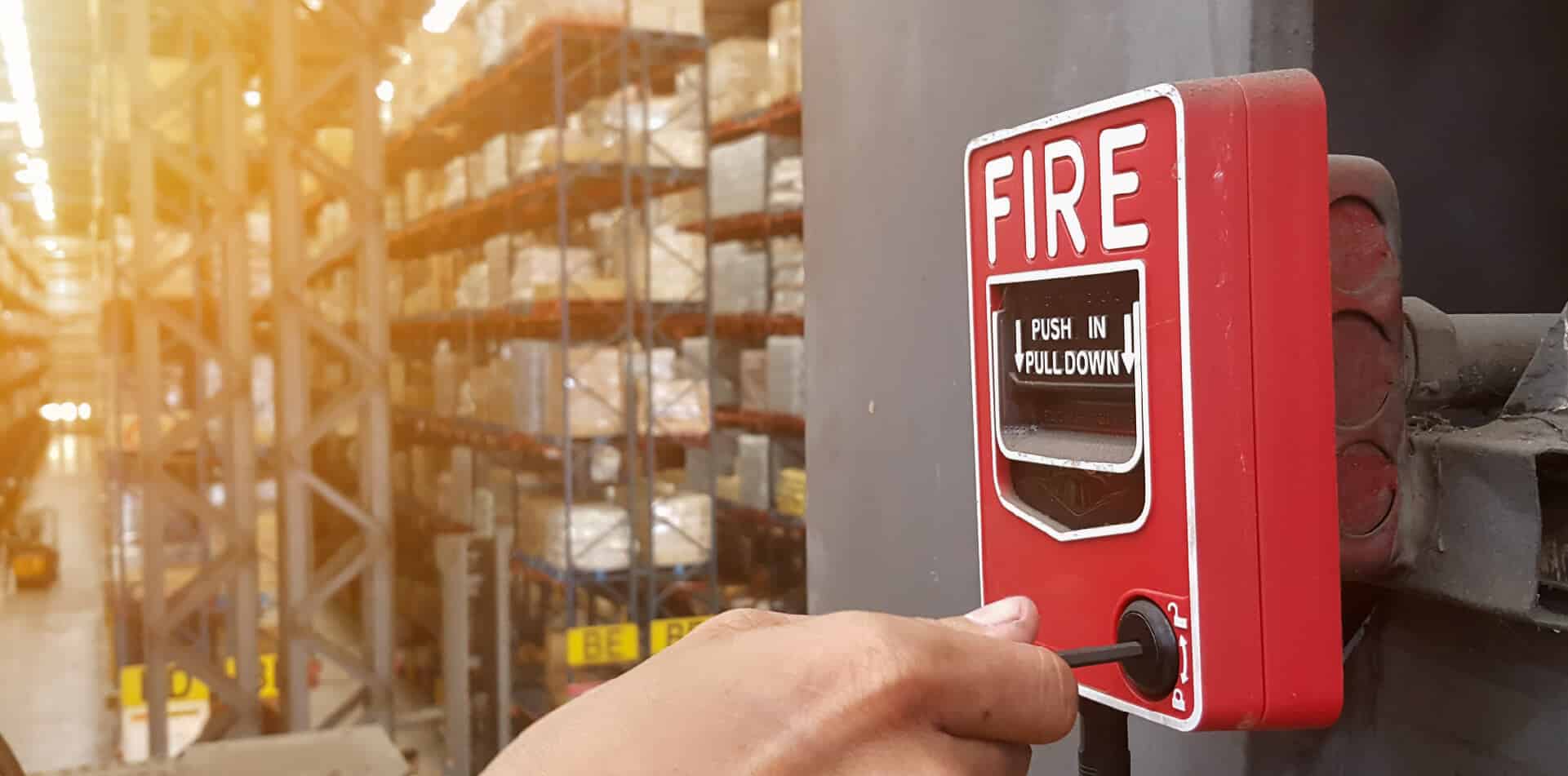
Installing a commercial fire alarm system is the starting point, not the finish line.
For Florida businesses, the ongoing obligations around fire alarm monitoring, fire alarm testing, and fire alarm inspection are just as important as the installation itself. Get those wrong and you face compliance violations, insurance complications, and — in the event of a real emergency — a system that may not perform the way it should.
In this guide we cover what NFPA 72 requires for fire alarm monitoring and inspection, how Florida state law reinforces those requirements, what a proper fire alarm inspection actually looks like, and what Tampa Bay business owners should expect from a fully maintained commercial fire alarm system.
Why Fire Alarm Compliance Is Not Optional in Florida
NFPA 72, the National Fire Alarm and Signaling Code, sets the minimum standards for how fire alarm systems are installed, tested, inspected, and maintained. In Florida, those standards carry the force of law.
Under Florida Statute 633.348, all fire alarm systems must be installed, serviced, tested, repaired, inspected, and maintained in compliance with NFPA standards as adopted by the State Fire Marshal. The inspection schedule, testing methods, and documentation requirements in NFPA 72 are not suggestions for Florida businesses. They are state-mandated requirements.
Florida also requires that anyone performing fire alarm inspection or testing holds the appropriate license. Under Florida Statute 633.336, contracting to install, service, test, or inspect a fire alarm system without a valid certificate is prohibited.
For business owners, this means verifying that your fire alarm contractor is properly licensed through the Florida State Fire Marshal before any work begins — and keeping that documentation on file.
What 24/7 Fire Alarm Monitoring Actually Means
Most commercial fire alarm systems are connected to a central monitoring station that operates around the clock. When a detector triggers or a manual pull station is activated, the signal travels to the central station within seconds. Trained operators verify the alarm and notify the local fire department and designated building contacts immediately.
The value of fire alarm monitoring is response speed. A system that only sounds an audible on-site alarm depends on someone hearing it and calling 911. A monitored system eliminates that gap — which matters most during nights, weekends, or periods when a building is unoccupied.
NFPA 72 Chapter 26 sets the performance requirements for supervising station alarm systems, including signal transmission times and operator response protocols.
For Florida businesses, 24/7 fire alarm monitoring also satisfies insurance requirements that many carriers impose as a condition of coverage. If your policy requires a monitored system, documentation from your monitoring provider is typically part of your annual insurance review.
“Fire alarm monitoring is the piece most business owners don’t think about until something goes wrong. The system going off matters, but who’s listening when it does, and how fast they respond, is what actually saves property and lives. That’s what 24/7 central station monitoring is there to do.” — Charles Ragghianti, President, A Total Solution, Inc. NICET III Certified | 33+ Years in Commercial Fire Alarm Systems
What NFPA 72 Requires for Fire Alarm Inspection and Testing
NFPA 72 Chapter 14 establishes the fire alarm inspection, testing, and maintenance requirements that apply from the date of initial installation and throughout the life of the system. The schedule is not one-size-fits-all — different components have different requirements, and frequency depends on the device type and conditions in your specific building.
Here is a general overview of what Chapter 14 requires:
| Component | Requirement | Frequency |
|---|---|---|
| Control unit and annunciators | Visual inspection | Semiannual (or annual with listed addressable system) |
| Smoke detectors — initiating devices | Functional testing | Annual |
| Smoke detector sensitivity | Sensitivity testing | Within 1 year of installation, then every other year |
| Backup batteries | Load testing | Annual |
| Notification appliances (horns, strobes) | Functional testing | Annual |
| Manual pull stations | Functional testing | Annual |
| Wiring and connections | Visual inspection | Semiannual |
Visual inspections verify that devices are in place, unobstructed, and free of damage. In buildings with listed addressable systems that perform automatic weekly self-checks, visual inspections may be conducted annually instead of semiannually.
Sensitivity testing is the one most facilities overlook. Detectors found outside their listed sensitivity range must be cleaned, recalibrated, or replaced — not just noted and moved on.
Battery testing is increasingly important. As of January 2024, rechargeable batteries used as secondary power sources must be listed by a nationally recognized testing laboratory.
Documentation: The Part Most Businesses Get Wrong
NFPA 72 requires comprehensive records of all fire alarm testing, inspections, maintenance, and corrective actions. These records are not administrative paperwork — they are the primary evidence of compliance during a fire marshal inspection, an insurance audit, or in the aftermath of an incident.
Florida adds a specific layer. Under Florida Statute 633.348, every fire alarm system must have a service tag attached whenever it is installed, serviced, tested, repaired, inspected, or improved. The State Fire Marshal specifies the required size, shape, color, and information the tag must contain. It is unlawful to perform any of this work without attaching a completed tag — and it’s a detail that’s easy to miss when working with a contractor who doesn’t know Florida’s specific requirements.
Records should be kept at or near the fire alarm control panel. If stored elsewhere, the location must be identified at the panel. NFPA 72 also requires that system as-built plans and a record of completion be maintained and updated whenever modifications are made.
What to Expect During a Professional Fire Alarm Inspection
A professional fire alarm inspection is a systematic review of your entire system — not a quick walk-through. A licensed technician works through the system component by component, testing devices, reviewing documentation, and identifying deficiencies.
Under NFPA 72, deficiencies fall into specific categories:
- Impairment — part of the system is non-functional and requires immediate attention
- Deficiency — a condition that doesn’t meet code but may not fully disable the system
- Observation — a suggested improvement that falls short of a formal deficiency (introduced in the 2022 edition of NFPA 72)
Before fire alarm testing begins, your contractor is required to notify building occupants, the monitoring company, and the local fire department so the test doesn’t trigger an unnecessary emergency response. After testing is complete, you should receive a written inspection report documenting what was tested, the results, and any corrective actions required. If you’re not getting that report, that’s a problem.
Who Can Legally Perform Fire Alarm Inspection and Testing in Florida
In Florida, fire alarm system installation, testing, inspection, and repair must be performed by a contractor licensed under Chapter 633 of the Florida Statutes, or by a certified unlimited electrical contractor where applicable. Working with an unlicensed contractor is not just a code violation — it can invalidate your inspection records, create insurance liability, and leave you legally exposed if a system failure contributes to an incident.
When evaluating a fire alarm contractor, ask for their Florida State Fire Marshal license number and verify it is current. Technicians who also hold NICET certification — the National Institute for Certification in Engineering Technologies — bring a recognized indicator of technical competency in fire alarm system work that goes beyond the licensing minimum.
Frequently Asked Questions About Fire Alarm Monitoring and Inspection
Q: How often does a commercial fire alarm system need to be inspected in Florida?
NFPA 72, which Florida has adopted into law, requires annual fire alarm inspection for most commercial systems. Certain components require semiannual visual inspections. Some devices — including smoke detector sensitivity — follow a two-year testing cycle. The specific schedule depends on your system type, occupancy classification, and device inventory. A licensed contractor can provide a testing schedule tailored to your building.
Q: What is the difference between fire alarm monitoring and fire alarm inspection?
Fire alarm monitoring is an ongoing service — a central station connected to your system 24/7 that receives signals and dispatches emergency responders when an alarm activates. Fire alarm inspection is a periodic, scheduled review of your system’s components, wiring, devices, and documentation to verify everything meets NFPA 72 requirements. Both are required. Neither replaces the other.
Q: What happens if my fire alarm system fails inspection in Florida?
Deficiencies identified during a fire alarm inspection must be corrected and documented. Serious impairments — meaning the system or a portion of it is non-operational — require immediate action, including potentially placing the building under fire watch until repairs are complete. Documented deficiencies that go uncorrected can result in fines from the local fire authority and create significant liability exposure.
Q: Does my fire alarm monitoring provider need to be licensed in Florida?
Yes. Central station monitoring providers operating in Florida must meet the requirements of NFPA 72 Chapter 26 and be listed by a nationally recognized testing laboratory such as UL. Your monitoring provider should be able to provide documentation of their listing on request.
Q: How do I know if my current fire alarm contractor is properly licensed in Florida?
Ask for their Florida State Fire Marshal license number under Chapter 633 and verify it is active through the Florida Division of State Fire Marshal’s online license lookup. A reputable contractor will provide this without hesitation. If they can’t or won’t, that’s a significant red flag.
Fire Alarm Monitoring and Inspection in Tampa Bay — A Total Solution
A Total Solution has been installing, monitoring, testing, and inspecting commercial fire alarm systems across Tampa Bay since 1988. We are a leading fire protection services provider and licensed through the Florida State Fire Marshal, NICET III certified, and work to NFPA 72 standards on every job.
Whether you need a new system designed, an existing system inspected, a monitoring contract reviewed, or documentation prepared for a fire marshal visit, our team can walk you through what your building requires and what compliance looks like in practice.
📞 Call us at (727) 942-1993 or schedule a consultation online.


Related Blogs
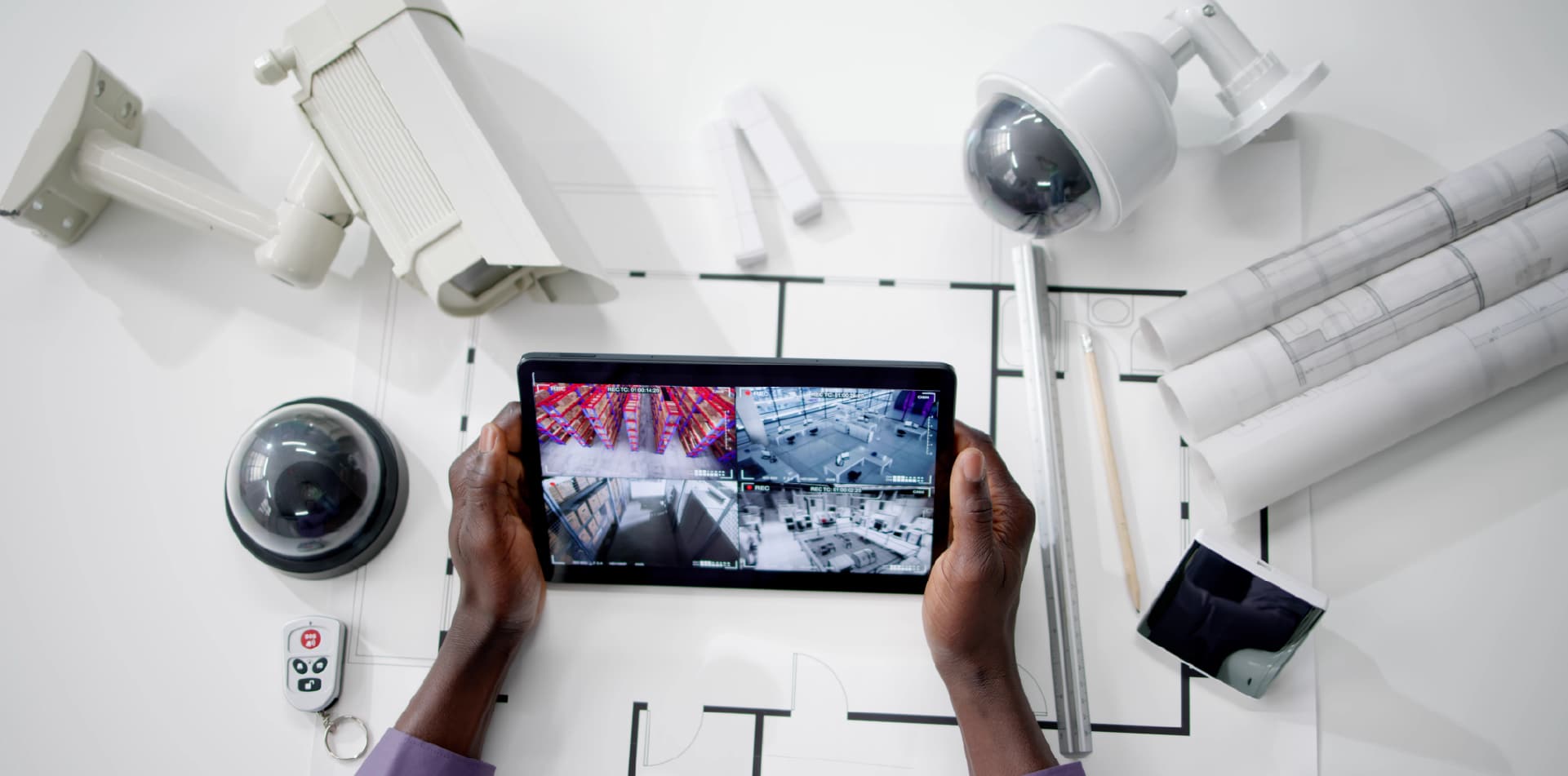
What Is Central Station Monitoring — And Is Your Building Actually Getting It?
When your fire alarm goes off at 2 a.m. on a Sunday, one[…]
Charlie Ragghianti
1 Jul 2026
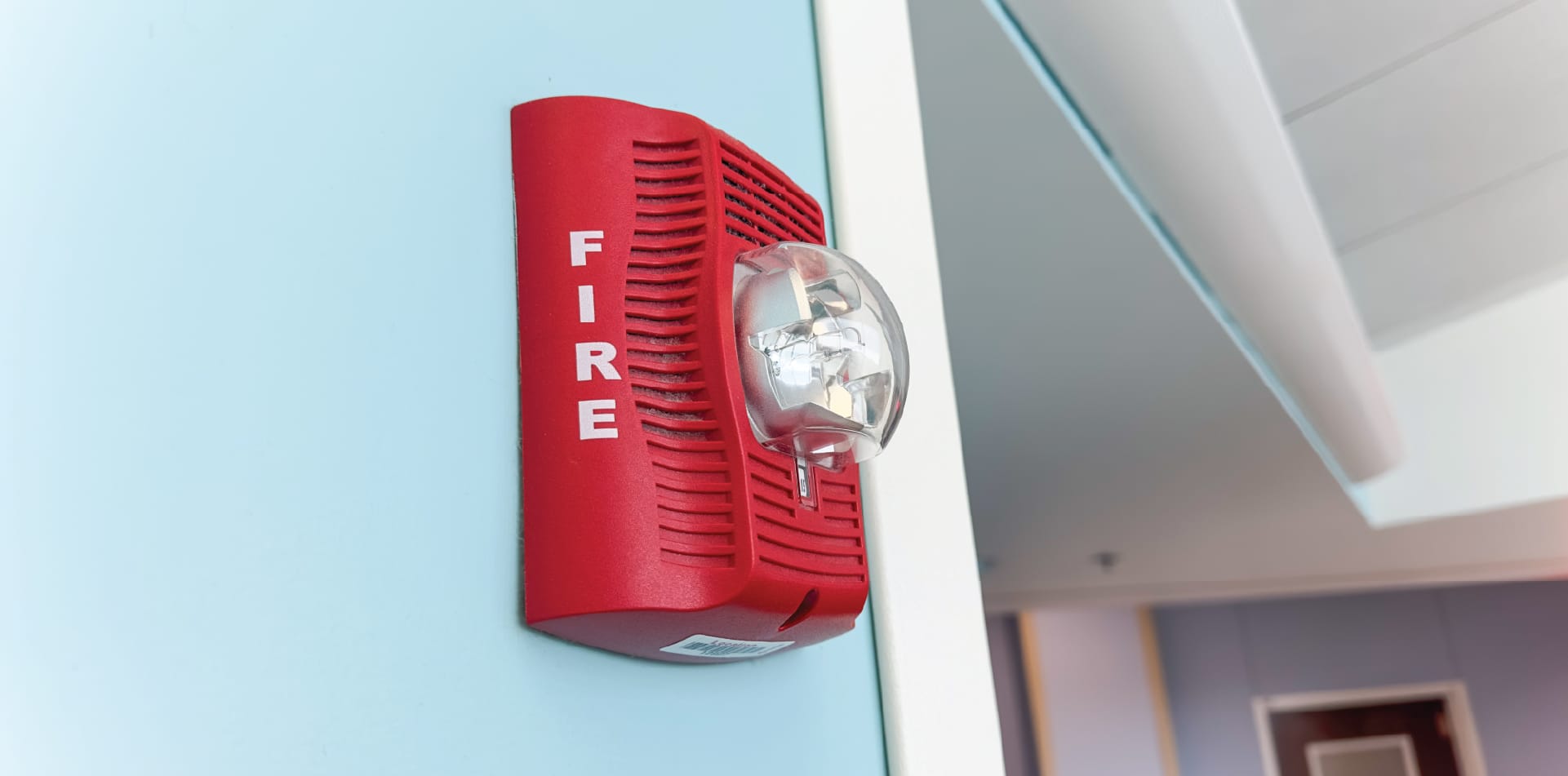
Annual Fire Alarm Inspections: What Every Healthcare Facility Must Know to Stay Compliant
In healthcare environments where vulnerable populations depend on staff for their safety, fire[…]
Charlie Ragghianti
3 Jun 2026
Commercial Fire Safety for Tampa Businesses: Your Complete Guide to Fire Protection as Summer Approaches
As the school year draws to a close across Tampa and the greater[…]